Plan

Roadmaps that live in the work, not above it

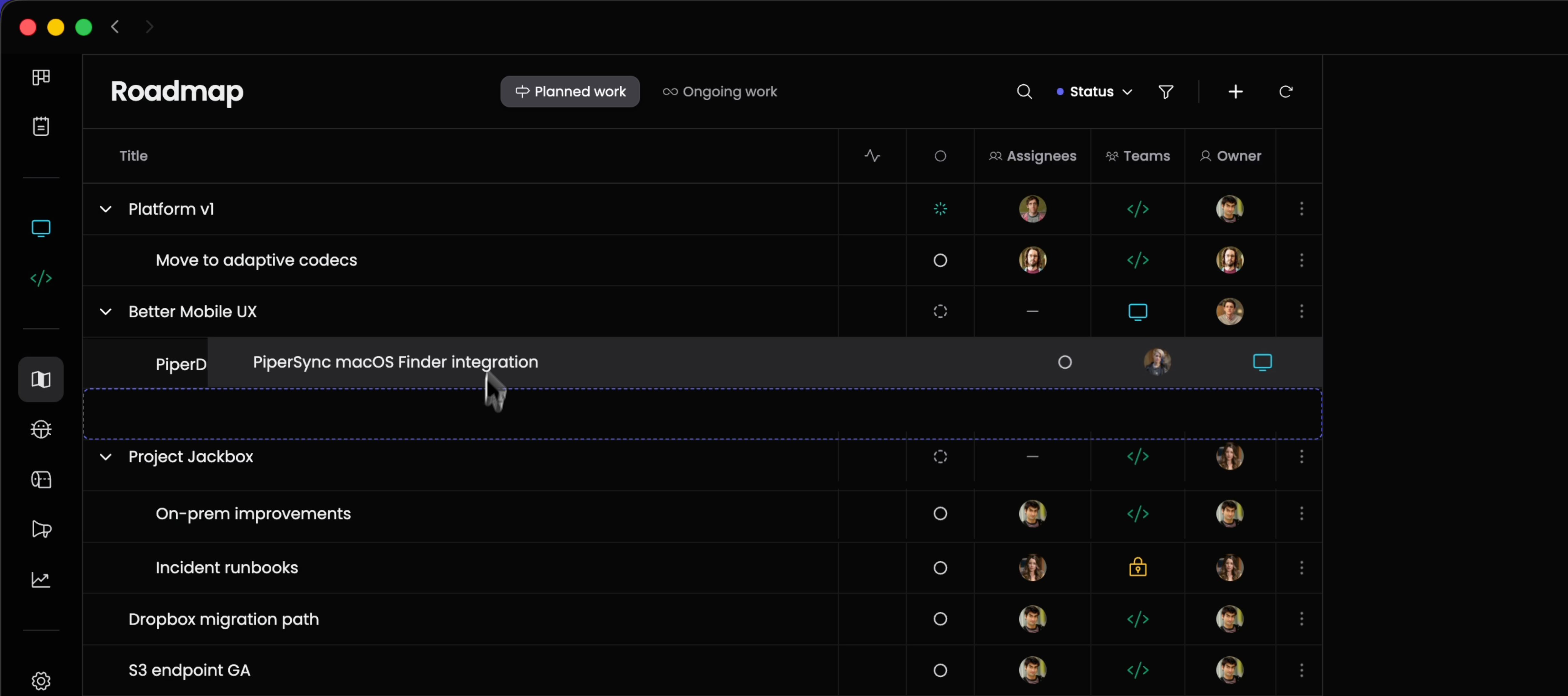
Initiatives stay tied to active issues, PRs, and blockers — so roadmap status reflects what's actually shipping, not what someone remembered to update.

  • Progress tracked from linked issues, PRs, and delivery activity. No manual upkeep.
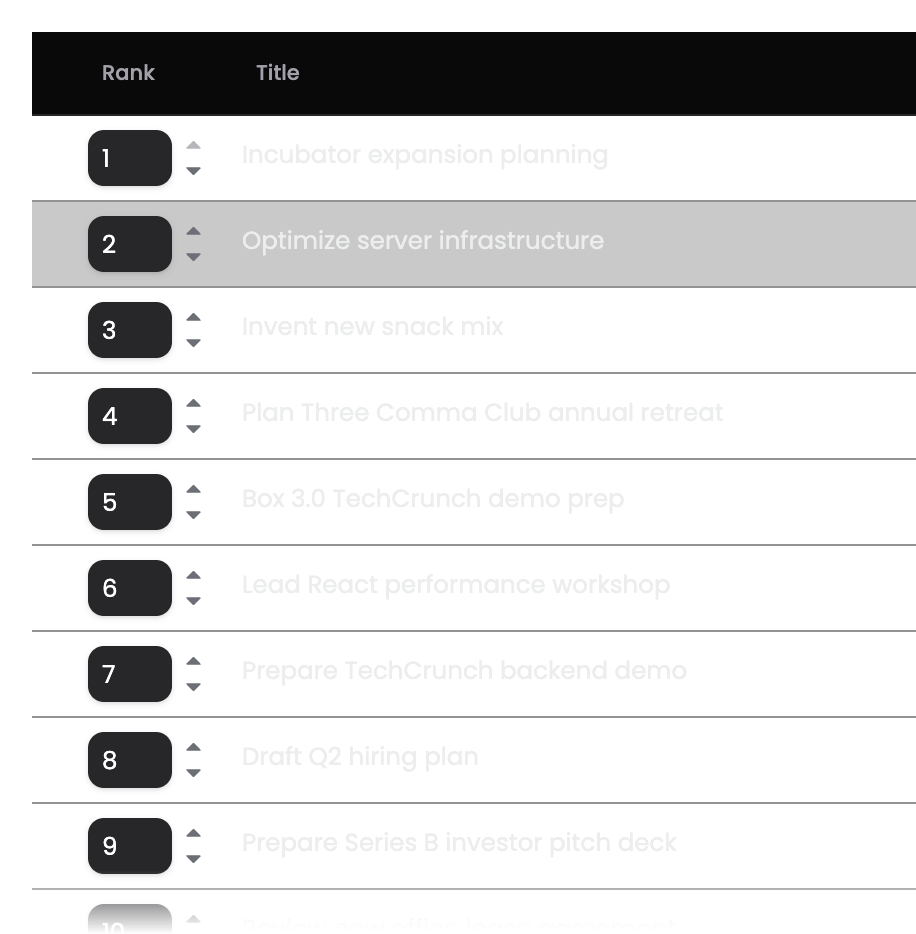
  • Stack-rank and filter initiatives so tradeoffs are explicit before teams commit capacity.
  • Product, engineering, and leadership all see the same roadmap. No translation layer needed.

Most roadmap debt is translation debt

Roadmaps usually fail after planning, not during it. Once work spreads across issues, pull requests, meetings, and team updates, someone has to stitch the story back together by hand.

Core capabilities

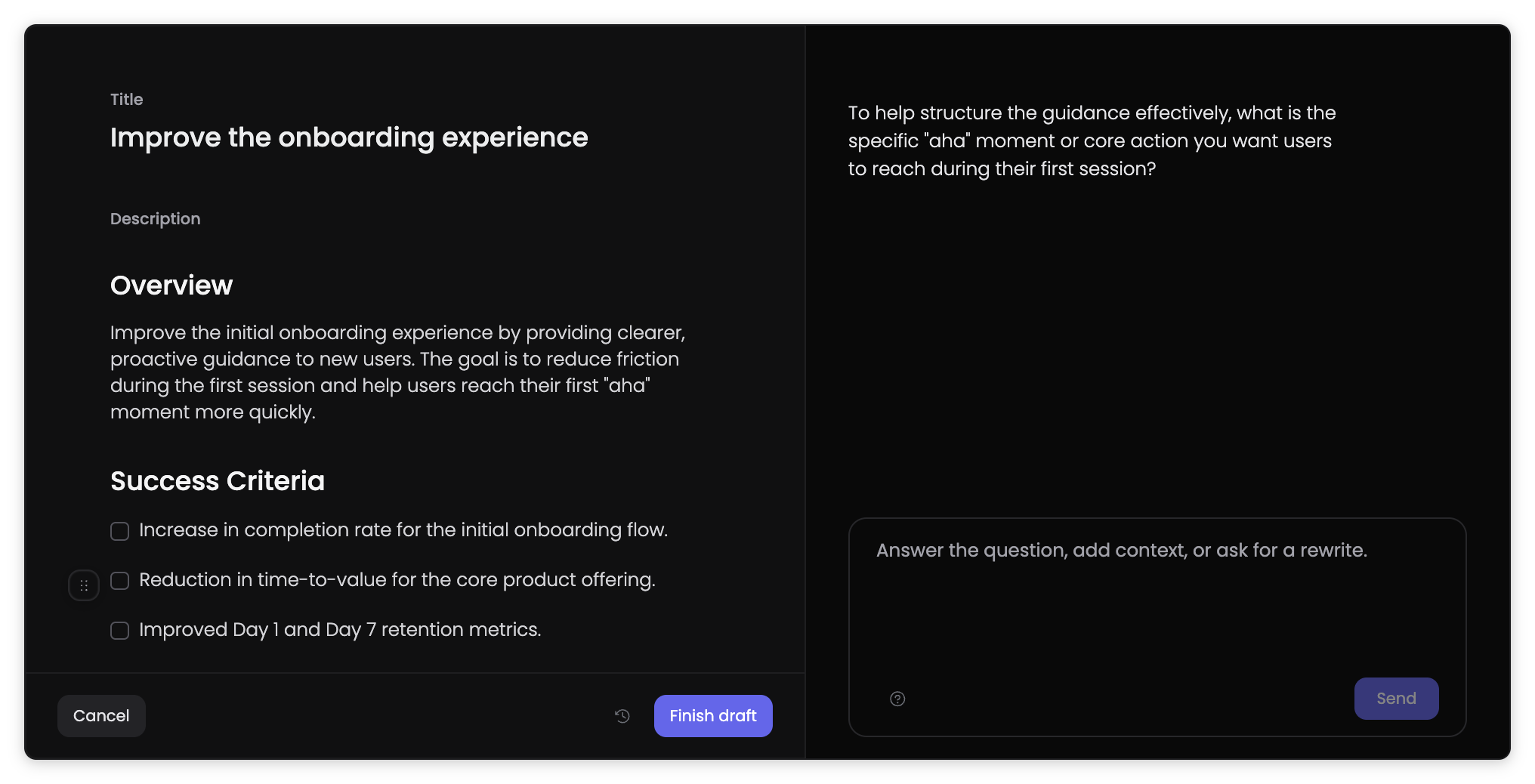
Shape initiatives in Writer mode

Capture the problem, scope, constraints, and risks before kickoff, then finalize into a structured brief your team can execute.

Prioritization that holds up

Use stack rank, status filters, and ownership views to make priority decisions explicit as capacity and timelines change.

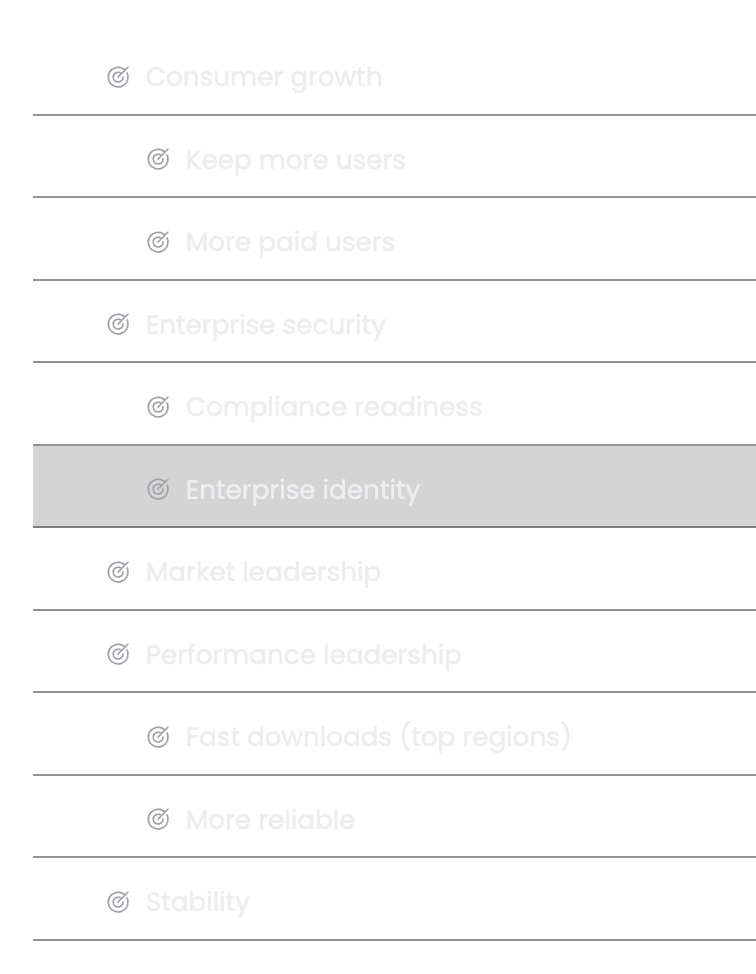
Hierarchy and progress in one view

Break initiatives into child initiatives, adjust structure when scope shifts, and follow progress from linked descendant work.

Clear priority signal

Leaders can see what is planned, what got blocked, and why, without rebuilding context before every planning sync.

Roadmap-to-delivery traceability

Initiatives stay tied to real execution movement, so status reflects shipped work instead of slide updates.

Less translation overhead

Product and engineering spend less time translating between tools because roadmap discussions start from the same work trail.

Use cases

Plan from real delivery work

One Horizon keeps initiative planning, ownership, prioritization, and execution context in one surface. The same trail powers roadmap reviews, weekly updates, and leadership reporting without rebuilding the narrative each time.

Who is it for?

Engineering roadmap software

For product and engineering leaders who need roadmap planning tied to real execution data, ownership, and prioritization decisions.

initiative management softwareroadmap execution trackingstack ranking initiatives
Use case
01

Quarterly roadmap planning

Define top initiatives, assign accountable owners, and set priority order before teams commit execution capacity.

Use case
02

CTO and CPO reviews

Review initiative movement and blocker risk from execution-backed signals instead of manually curated summaries.

Use case
03

Cross-team initiatives

Split large programs into child initiatives by team while preserving one parent view for dependency and progress reviews.